As we step into 2026, the financial landscape continues to evolve with persistent inflation concerns, rising living costs, and technological advances that are reshaping how we manage our money. Whether you’re looking to build an emergency fund, save for a major purchase, or simply make your paycheck stretch further, these smart money saving tactics will help you navigate the economic challenges of 2026.
1. Leverage High-Yield Digital Savings Accounts
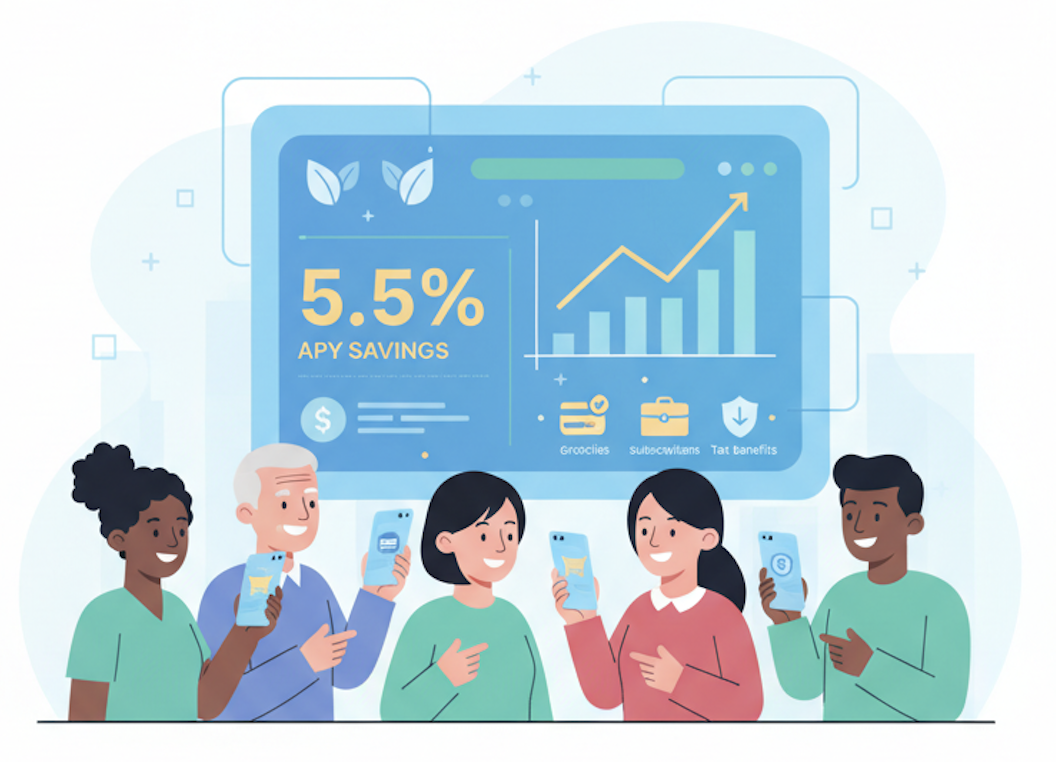
Gone are the days of settling for the paltry 0.01% interest rates offered by traditional banks. In 2026, digital-first banks and fintech companies are offering high-yield savings accounts with rates ranging from 4% to 5.5% APY. These online banks have lower overhead costs and pass those savings directly to consumers.
Action Step: Research online banks like Ally, Marcus, or Discover, and consider moving your emergency fund to earn 50x more interest than traditional savings accounts.
2. Automate Your Savings with AI-Powered Apps
The subscription economy isn’t going anywhere in 2026, but smart savers are using AI-powered apps to fight back. Apps like Digit, Qapital, and even your bank’s built-in savings tools can analyze your spending patterns and automatically transfer small amounts to savings when you can afford it.
Pro Tip: Set up “round-up” features that round up purchases to the nearest dollar and save the difference. A 4.25coffeebecomes5.00, with $0.75 going to savings.
3. Master the Subscription Audit
With the average American spending 219permonthonsubscriptions(upfrom273 in 2021), 2026 is the year to get serious about subscription management. Use apps like Truebill, Trim, or Subscript.me to identify and cancel unused subscriptions.
2026 Strategy: Implement a “subscription rotation” system where you cancel one streaming service each month and rotate to another, saving $50-100 monthly while still enjoying all your favorite content.
4. Embrace the “Cash Stuffing” Digital Evolution
While Gen Z has popularized the cash stuffing trend, 2026 brings digital alternatives. Use separate checking accounts or prepaid cards for different spending categories. This modern envelope system helps you visualize spending limits without carrying cash.
Digital Tools: Apps like Goodbudget and Mvelopes bring the envelope method to your smartphone, allowing you to allocate funds digitally while maintaining the psychological benefits of physical envelopes.
5. Take Advantage of 2026’s Energy-Saving Incentives
With continued focus on climate change, 2026 offers unprecedented opportunities to save money through energy efficiency. Many states are offering enhanced rebates for:
- Smart thermostats (save 10-15% on heating/cooling)
- LED lighting upgrades
- Energy-efficient appliances
- Electric vehicle charging stations
Money-Saving Hack: Many utility companies offer free energy audits that can identify $200-500 in annual savings opportunities.
6. Optimize Your Grocery Strategy Amid Food Inflation
Food prices are expected to rise another 3-4% in 2026. Combat this with:
- Meal planning apps like Mealime or PlateJoy to reduce food waste
- Cashback apps like Ibotta and Fetch Rewards for grocery rebates
- Store brand alternatives that can save 20-30% on your grocery bill
- Bulk buying for non-perishables when on sale
7. Leverage the Gig Economy for Passive Income
2026’s gig economy offers more opportunities than ever to generate extra income:
- Rent out your car on Turo when you’re not using it
- List extra space on Neighbor.com for storage
- Sell unused items on Facebook Marketplace or Mercari
- Offer freelance services on Fiverr or Upwork
Pro Strategy: Use gig economy earnings exclusively for savings goals, treating it as “found money” rather than supplementing regular income.
8. Maximize Your Employee Benefits
Many employees leave money on the table by not fully utilizing workplace benefits:
- Health Savings Accounts (HSAs): Triple tax advantage for 2026
- 401(k) matching: Free money that many miss
- Professional development funds: Up to $5,250 tax-free for education
- Commuter benefits: Pre-tax transit and parking savings
9. Implement the 24-Hour Rule for Online Purchases
Impulse buying has increased 30% since 2020. In 2026, implement a mandatory 24-hour waiting period before making any online purchase over $50. This simple tactic can reduce impulse spending by 40-60%.
Tech Tip: Use browser extensions like Icebox or StayFocusd to block shopping sites during vulnerable moments.
10. Take Advantage of Rising Interest Rates on Debt
While rising rates hurt borrowers, they help savers. In 2026:
- Refinance high-interest debt while rates are still relatively low
- Consider 0% balance transfer offers (but read the fine print)
- Negotiate with credit card companies for lower rates
- Use the debt avalanche method to pay off highest-interest debt first
11. Capitalize on the Sharing Economy
2026’s sharing economy extends beyond Uber and Airbnb:
- Share tools and equipment with neighbors using apps like NeighborGoods
- Rent designer clothing for special events instead of buying
- Share streaming service costs with family members
- Use car-sharing services instead of owning a second vehicle
12. Automate Your Bill Payments (But Strategically)
Late fees cost Americans $11 billion annually. Set up automatic payments for:
- Mortgage/rent (often the largest expense)
- Utilities (some offer discounts for autopay)
- Insurance premiums (avoid lapses and late fees)
- Credit cards (pay at least the minimum to avoid penalties)
Pro Tip: Set autopay for the minimum payment, then manually pay extra to avoid overdraft fees.
13. Take Advantage of 2026’s Tax Law Changes
Stay informed about 2026 tax changes that could save you money:
- Increased standard deduction amounts
- Enhanced retirement contribution limits
- New energy efficiency tax credits
- Expanded child tax credits (if legislation passes)
14. Build Multiple Income Streams
The most successful savers in 2026 don’t rely on a single income source:
- Dividend-paying stocks: Build passive income through DRIP programs
- Real estate crowdfunding: Start with as little as $500
- Peer-to-peer lending: Platforms like LendingClub offer 5-7% returns
- Create digital products: Sell templates, courses, or ebooks
15. Practice the “No-Spend Challenge”
Popularized on social media, the no-spend challenge involves going one day, week, or month without spending money on non-essentials. In 2026, make it a monthly habit:
- First week of each month: No eating out
- Third week: No online shopping
- Last week: Focus on free entertainment options
Final Thoughts: Your 2026 Money Saving Roadmap
The key to successful saving in 2026 isn’t about deprivation—it’s about being intentional with your money while taking advantage of technological advances and economic opportunities. Start with one or two strategies that resonate most with your situation, then gradually incorporate others as you build momentum.
Remember: The best money-saving strategy is the one you’ll actually stick to. Whether you’re saving for a down payment, building an emergency fund, or planning for retirement, these tactics will help you make 2026 your most financially successful year yet.
Your Action Plan for This Week:
- Audit your subscriptions and cancel at least one
- Open a high-yield savings account
- Set up automatic transfers to savings
- Download a cashback app for groceries
- Implement the 24-hour rule for online purchases
Start today, and watch your savings grow throughout 2026!